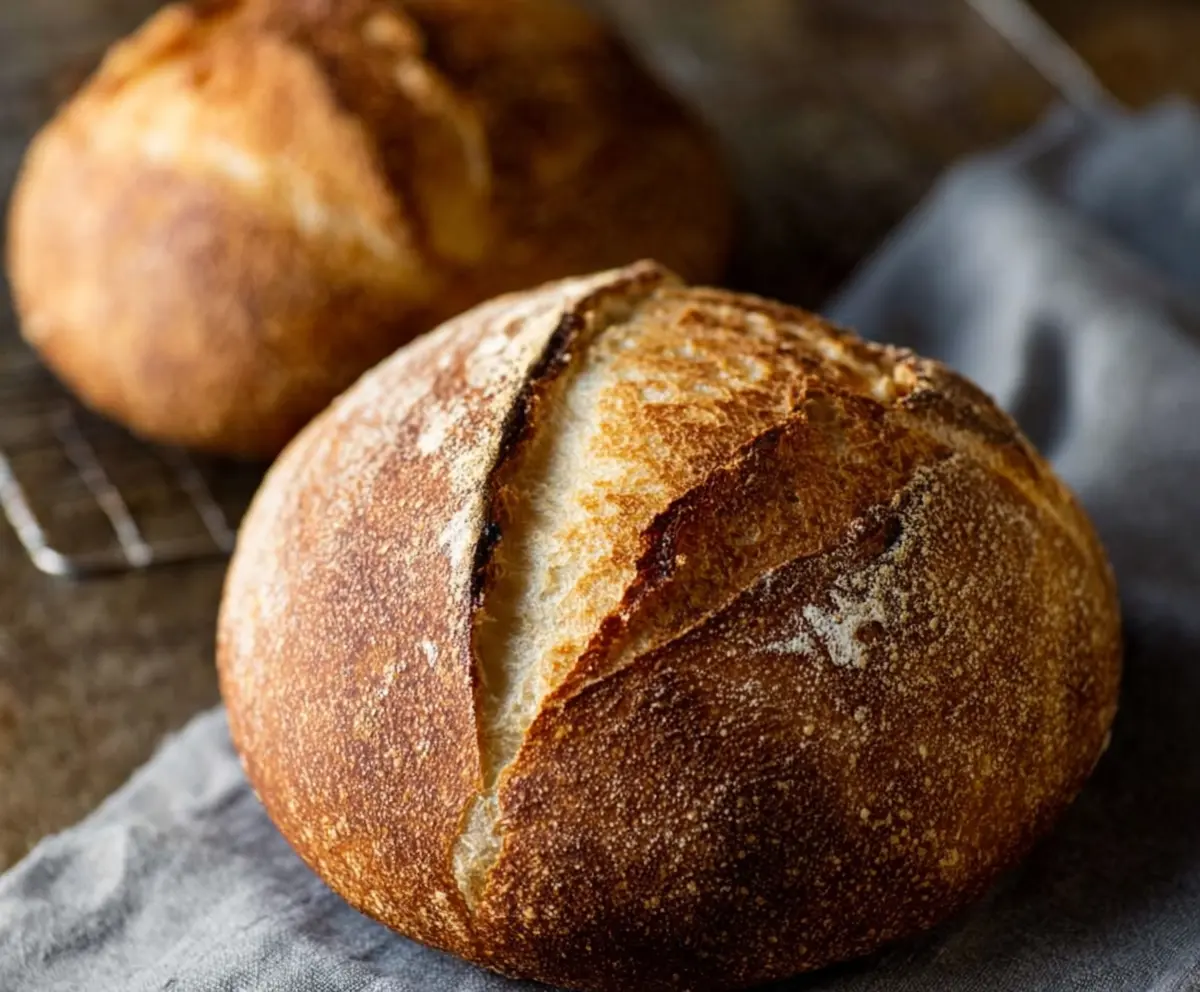
Best Ever Sourdough Bread Recipe is a simple and satisfying way to make your own crusty, tangy loaf at home. With a chewy crust, soft interior, and that amazing sourdough flavor, this recipe takes you through each step clearly so you can enjoy fresh homemade bread anytime. It’s all about the natural fermentation and a little patience, but the results are so worth it.
I love this recipe because it breaks down the sourdough process into easy steps that anyone can follow. You don’t have to be a baking expert to get a great loaf—just a bit of time and love for the dough. I find that letting the dough rest overnight really brings out the flavor and makes the bread easier to shape. Plus, I like how you can experiment with different flours or add seeds once you get the hang of it.
My favorite way to enjoy this bread is fresh out of the oven with a bit of butter or olive oil. It’s perfect for sandwiches, toasting, or simply dipping into soups. I also find that sharing this homemade bread with friends always makes the moment feel extra cozy, and it’s a great conversation starter. Baking your own sourdough is a little adventure that rewards you with every delicious slice!
Key Ingredients & Substitutions
Bread Flour: This gives the bread its chewy texture and strong structure. You can substitute with all-purpose flour, but the loaf might be a bit less chewy and rise less.
Water: Use room temperature water to help activate the yeast. Filtered water works best if your tap water is heavily chlorinated, as chlorine can slow fermentation.
Sourdough Starter: This is the heart of your bread, providing flavor and rise. If you don’t have a starter, you’ll need to make one ahead of time or buy a live starter.
Salt: Essential for flavor and controlling fermentation. You can use sea salt or kosher salt; just adjust the quantity slightly if using coarse grains.
How Do You Master the Stretch and Fold Technique?
The stretch and fold method strengthens the dough’s gluten without heavy kneading, which helps build good bread structure:
- Wet your hand to prevent sticking.
- Grab one edge of the dough and gently stretch it upwards without tearing.
- Fold the stretched part over the rest of the dough.
- Rotate the bowl and repeat this fold 3 more times, each time stretching a different side.
- Rest the dough between folds to help gluten relax and develop.
This technique improves dough strength and air pockets inside the bread, leading to a beautiful crust and crumb. It’s easier than kneading and gentler on your wrists!
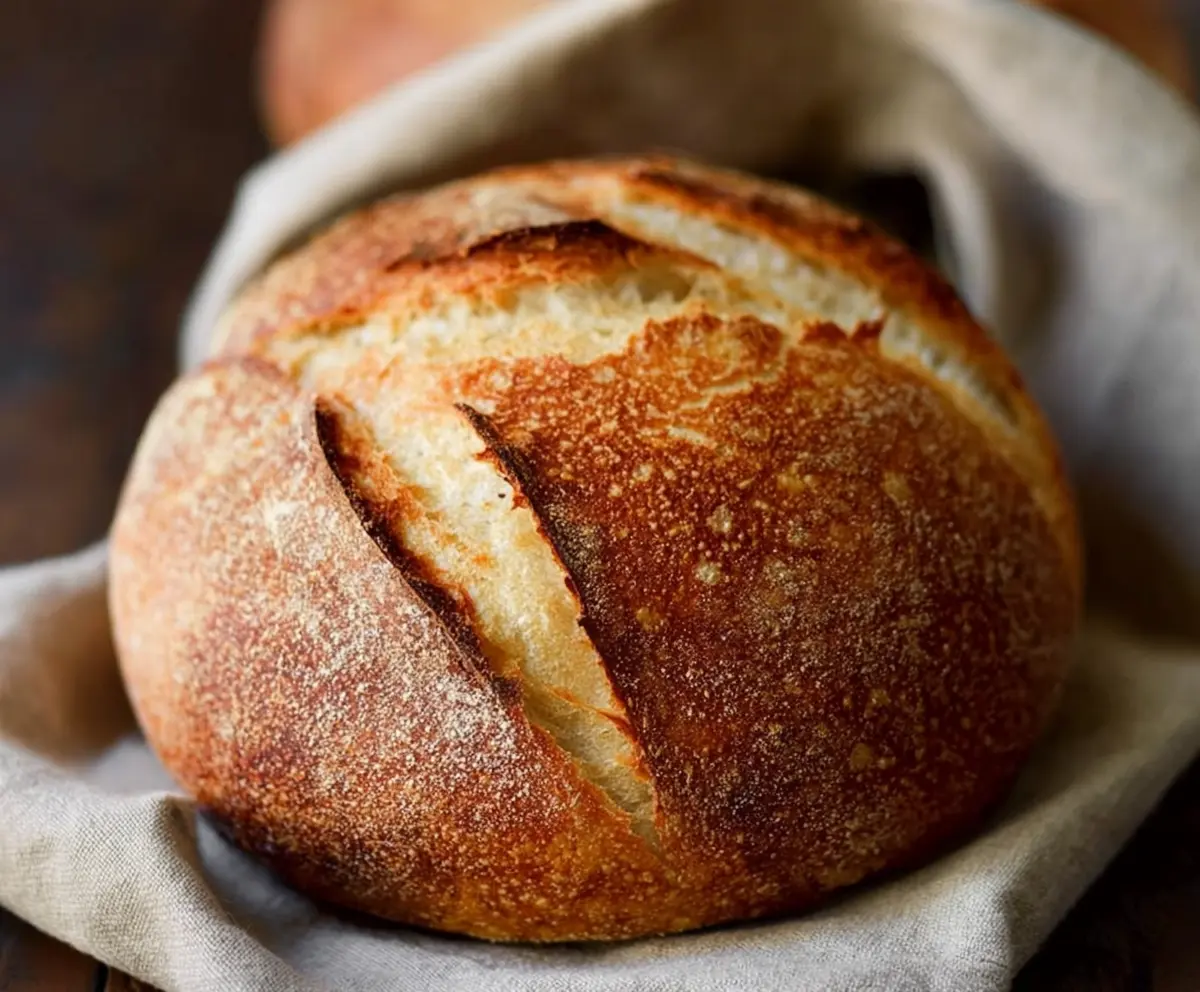
Equipment You’ll Need
- Large mixing bowl – roomy enough to hold your dough as it rises and spreads out.
- Dutch oven or heavy oven-safe pot with lid – creates steam for a crispy crust.
- Banneton basket or bowl lined with a flour-dusted towel – helps shape the dough and prevents sticking.
- Bread lame or sharp knife – for scoring the dough to control expansion while baking.
- Kitchen scale – ensures accurate measuring of flour and water for best results.
Flavor Variations & Add-Ins
- Add 1/4 cup of toasted seeds (sunflower, sesame, or flax) to the dough for a nutty crunch.
- Mix in 1/2 cup diced olives or sun-dried tomatoes for a savory twist.
- Swap 100g of bread flour for whole wheat flour to add nuttiness and fiber.
- Stir in fresh herbs like rosemary or thyme (1-2 tbsp) for an herbal note that pairs well with meals.
Best Ever Sourdough Bread Recipe (Step-by-Step)
Ingredients You’ll Need:
- 500g bread flour (about 4 cups)
- 350g water (about 1½ cups), room temperature
- 100g active sourdough starter (about ½ cup), fed and bubbly
- 10g salt (about 2 tsp)
How Much Time Will You Need?
This recipe requires about 5 to 8 hours for mixing, fermenting, shaping, and baking, depending on room temperature and fermentation speed. Additionally, if you choose to refrigerate overnight during proofing, add 8 to 12 hours of chill time. Plan for about 1 hour baking time and at least 1 hour cooling before slicing.
Step-by-Step Instructions:
1. Mix the Dough
In a large bowl, combine the bread flour and water. Stir well until no dry flour remains. Cover with a clean towel and let the dough rest for 30 to 45 minutes. This step, called autolyse, helps improve the dough’s texture.
2. Add Starter and Salt
After resting, add your active sourdough starter and salt to the dough. Mix thoroughly by hand or with a spoon until everything is well combined.
3. Bulk Fermentation with Folding
Cover the bowl with a cloth or plastic wrap. Let the dough rise at room temperature (about 70-75°F). Over the next 4 to 6 hours, perform 3 to 4 rounds of stretch and folds every 30 minutes for the first 2 hours. To do a stretch and fold, wet your hand, pick up one edge of the dough, gently stretch it upward, and fold it over the rest. Rotate the bowl and repeat 3 more times. This strengthens the dough.
4. Shape the Dough
Lightly flour your work surface. Gently turn the dough onto it and shape it into a tight round loaf. Fold the edges of the dough into the center, then flip it seam-side down. Use your hands to rotate and tighten the dough, creating surface tension.
5. Proof the Dough
Place the shaped loaf, seam-side up, into a floured banneton basket or a bowl lined with a floured towel. Cover and proof at room temperature for 1 to 2 hours, or refrigerate overnight (8-12 hours) if you want a more developed flavor.
6. Preheat the Oven
About 30 minutes before baking, place a Dutch oven or heavy pot with a lid into your oven and preheat to 500°F (260°C). This helps create steam for a crispy crust.
7. Score and Bake
Carefully turn your dough onto parchment paper or directly into the hot Dutch oven. Using a sharp knife or bread lame, score the top with a few slashes to help it expand while baking. Cover with the lid and bake for 20 minutes.
8. Finish Baking
Remove the lid, reduce oven temperature to 450°F (230°C), and bake for another 20 to 25 minutes. The crust should be deep golden brown, and the loaf will sound hollow when tapped on the bottom.
9. Cool the Bread
Transfer the bread to a wire rack and let cool completely for at least 1 hour before slicing. This resting period helps the crumb to set so your bread slices cleanly.
Enjoy your wonderful homemade sourdough with a crunchy crust and chewy, tangy interior!
Can I Use All-Purpose Flour Instead of Bread Flour?
Yes, you can substitute all-purpose flour, but expect a slightly less chewy texture and a softer crust. Bread flour has more protein, which helps develop gluten for that classic sourdough structure.
How Do I Know When My Sourdough Starter Is Ready?
Your starter should be bubbly, doubled in size within 4 to 6 hours after feeding, and have a pleasant, tangy smell. This means it’s active and ready to help your dough rise.
Can I Freeze Leftover Sourdough Bread?
Absolutely! Slice the bread and wrap it tightly in plastic wrap or foil, then place it in a freezer bag. It keeps well for up to 3 months. To enjoy, thaw at room temperature or toast slices straight from the freezer.
Is It Necessary to Use a Dutch Oven?
While a Dutch oven helps create steam for a crispy crust, you can bake on a baking stone and add a pan of hot water to the oven to create steam. Just make sure to preheat your oven well for best results.